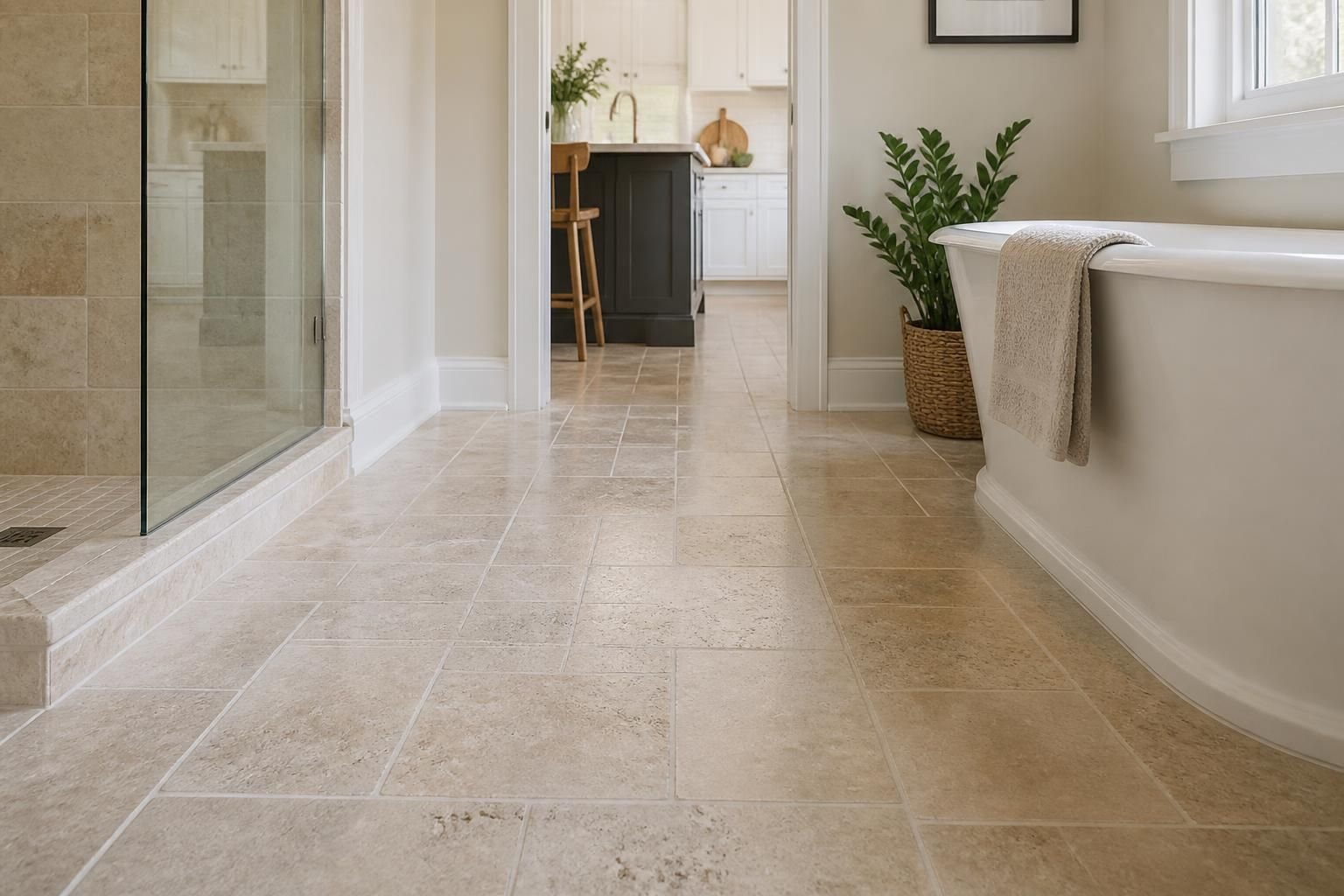
Stone that looks clean today can start showing darkened spots, uneven sheen, or stubborn marks after everyday use. If your marble, travertine, or other natural stone has started absorbing spills faster than before, sealing may be the next step.
At Grosse Pointe Tile Cleaning, we help homeowners and businesses throughout Grosse Pointe Park protect stone surfaces with sealing that adds a practical barrier against moisture and soil. Stone Sealing is especially useful for floors, entryways, bathrooms, kitchens, and other areas that see regular traffic and routine cleaning.
Stone sealing basics
Natural stone is beautiful, but it is also porous. That means liquids, oils, and cleaning residue can soak into the surface in ways that tile cannot. Sealing helps reduce that absorption so the stone is easier to maintain and less likely to stain from normal use.
We apply sealers for stone surfaces that need added protection after cleaning or restoration. The right sealer does not turn stone into a waterproof surface. Instead, it helps slow down penetration so spills have more time to be wiped away and routine care becomes less stressful.
Grosse Pointe Tile Cleaning serves Grosse Pointe Park with sealing for marble, travertine, stone floors, and other natural stone areas where lasting appearance matters.
Signs your stone needs sealing
If you are unsure whether sealing is needed, there are some common signs that suggest the surface is ready for treatment.
- Dark spots after spills: Water, soap, or food may leave marks that linger instead of drying cleanly.
- Uneven appearance: Some areas may look more dull, blotchy, or patchy than others.
- Soil that clings: Dirt may seem harder to remove even after mopping or wiping.
- Traffic wear: Entryways, kitchen paths, and bathroom floors may show more visible change than low-use areas.
- Recent stone cleaning: Freshly cleaned stone is often ready for sealing if the surface is open and absorbent.
If you notice one or more of these signs, sealing can help protect the surface before the next round of spills and foot traffic settles deeper into the stone.
How sealing helps
Stone sealing does more than improve appearance. It supports day-to-day care by making the surface less absorbent and more manageable to maintain. That matters when stone is used as a working surface, not just a decorative one.
Stain resistance
Sealed stone gives spills less time to seep into the pores. That can make a noticeable difference for kitchens, bathrooms, and entry areas where water, food, and tracked-in debris are common.
Cleaner maintenance
When stone resists absorption, routine cleaning often becomes simpler. You may find that residue lifts more easily and that the surface stays looking cleaner between professional services.
Better long-term appearance
Stone that is cared for with the right sealant tends to keep a more even, attractive look. Sealing can help reduce the blotchy appearance that sometimes develops when porous surfaces absorb moisture unevenly.
For many surfaces, sealing is part of a broader care plan that may also include stone cleaning, stone restoration, or grout sealing when adjacent grout lines need protection too.
Our sealing process
Stone Sealing should be matched to the condition of the surface. A fresh sealer applied over dirty stone can trap soil and make the result less effective. That is why we look at the surface first, then choose the right preparation and sealing approach.
- Surface check: We review the type of stone, current condition, and level of absorption.
- Deep cleaning: If the stone needs it, we clean away soil, residue, and buildup before sealing.
- Drying time: The stone must be ready for sealing so the treatment can bond as intended.
- Sealer application: We apply the selected sealer evenly across the surface.
- Final review: We check coverage and finish so the stone is left ready for normal use after appropriate drying.
Grosse Pointe Tile Cleaning adjusts this process based on the material and the condition of the surface. Marble and travertine, for example, may need a different approach than other natural stone areas.
Stone types we seal
Not every stone behaves the same way. Some materials absorb quickly, while others have denser surfaces that respond differently to sealing. Matching the treatment to the stone matters.
- Marble floor sealing: Helps protect elegant surfaces that can show etching, spotting, and moisture marks.
- Travertine floor sealing: Useful for porous stone that can take on dirt and spills quickly.
- Stone floor sealing: Suited for natural stone surfaces that see regular foot traffic.
- Stone sealing after restoration: A smart follow-up after cleaning or refinishing work.
- High-use areas: Entryways, kitchens, bathrooms, and other places where stone gets steady daily wear.
If you are unsure what kind of stone you have, we can assess the surface and recommend a sealing approach that fits the material rather than forcing a one-size-fits-all method.
What affects results
Stone sealing works best when the surface is ready for it. A number of practical details can affect how the sealer performs and how the finished surface looks.
Surface condition
Stone with old buildup, embedded dirt, or leftover residue may need cleaning first. Sealer performs better on a clean, open surface.
Stone porosity
More porous materials can absorb more product and may respond differently than denser stone. That is why material identification matters before application.
Previous products
Some surfaces have old sealers, waxes, or cleaning residues that influence how new treatment behaves. We look for that before starting.
These details matter because sealing is not just about coating the surface. It is about giving the stone the right protection without changing its character or creating a cloudy, uneven look.
Care after sealing
Once stone is sealed, routine habits can help preserve the finish and keep the surface looking good longer. You do not need a complicated care routine, but you should avoid practices that shorten the life of the treatment.
- Wipe spills quickly: Even sealed stone should not be left wet for long periods.
- Use gentle cleaners: Harsh products can affect both the stone and the sealer.
- Avoid abrasive pads: Scrubbing tools can dull the finish over time.
- Watch heavy soil: Grit tracked across the floor can wear on the surface.
- Schedule follow-up care: Re-cleaning and resealing may be needed as the stone ages and use increases.
When you protect the surface with the right sealing treatment and maintain it with simple care, your stone has a better chance of holding its appearance over time.
Grosse Pointe Park visits
Stone surfaces throughout Grosse Pointe Park can vary widely from one property to another, especially when floors have been cleaned many times or have been exposed to different types of traffic. That is why we tailor each sealing service to the surface rather than rushing through the job.
Grosse Pointe Tile Cleaning works with homeowners and businesses that want their stone to look refreshed and easier to care for. Whether the project is a kitchen floor, bathroom stone, entryway, or another natural stone surface, we focus on clear communication and careful workmanship from start to finish.
If your stone has started to absorb too much, look dull too quickly, or show marks that are hard to remove, Stone Sealing may be the right next step for your property.
Stone Sealing for Grosse Pointe Homes
The natural stone found in many Grosse Pointe homes is porous and etches easily, so it needs protection from the area’s humidity and from everyday acidic spills like wine, coffee, and citrus. A quality sealer lets spills bead up to be wiped away before they stain or etch. We seal marble, travertine, and limestone throughout the Grosse Pointe communities, guarding these valuable surfaces so they keep their finish for years.
Areas We Serve
We provide stone sealing throughout Grosse Pointe Park, Grosse Pointe Farms, Grosse Pointe Woods, and Grosse Pointe Shores, plus nearby St. Clair Shores and Harper Woods. For helpful tips, visit our tile cleaning blog.
Common questions
How do I know if my stone is absorbent?
The easiest check is a simple water test. Place a few drops of water on the stone and wait a minute or two. If the water soaks in and leaves a dark spot, the stone is absorbent and would benefit from sealing. If the water beads on the surface, a sealer is likely still working. Absorbency varies a lot by stone type: travertine, limestone, and many marbles are quite porous, while some granites are naturally dense. Age and wear also matter, since sealer breaks down over time. During your free estimate we test your specific stone in a few spots and tell you exactly how absorbent it is.
Can sealing change the look of my stone?
It can, depending on the sealer you choose, and that is entirely up to you. A penetrating or impregnating sealer soaks into the stone and protects from within, leaving the natural color and finish essentially unchanged. An enhancing sealer deepens and richens the stone’s color for a more saturated, sometimes slightly darker look that many homeowners prefer on travertine and slate. There are also finishes that add sheen. Before sealing your whole floor, we can test a small, discreet area so you see the actual result on your stone. That way you get the protection you need with an appearance you are happy to live with.
Do all stone floors need sealing?
Most do, because natural stone is porous by nature and absorbs liquids that lead to staining and dullness. Sealing helps the stone resist spills, oils, and moisture and makes everyday cleaning easier. That said, the degree of need varies. Very dense, low-absorbency stones may need little or no sealing, while porous stones like travertine, limestone, and marble benefit significantly. Floors in busy or wet areas also gain more from sealing than stone in a quiet, dry room. Rather than assume, we test your stone’s absorbency during the free estimate and recommend sealing only where it will genuinely help protect the surface and extend its life.
Should stone be cleaned before sealing?
Yes, and it is an important step. Sealing works by penetrating the stone, so the surface needs to be clean and free of dirt, grease, and old residue for the sealer to bond and perform correctly. If stone is sealed while it still holds trapped soil, the sealer can lock that grime in and will not protect as effectively. We deep clean the stone first, allow it to dry properly, and then apply the sealer to a fresh, open surface. This sequence produces the best, longest-lasting protection, which is why we typically pair cleaning and sealing together rather than sealing a floor that has not been cleaned.
Can sealing help after stone restoration?
Definitely. Restoration steps like honing and polishing smooth and renew the stone’s surface, and sealing is the natural finishing step that protects all that work. Freshly restored stone has an open, receptive surface, so it is an ideal time to apply a quality sealer that guards against stains and moisture going forward. Without sealing, restored stone can begin absorbing spills and dulling again sooner than it should. By sealing after restoration, we help preserve the renewed finish and keep the stone looking its best for longer. During your estimate we will recommend the right sealer to match the stone and the level of traffic it receives.
Is sealing useful for bathrooms and kitchens?
Very much so. Bathrooms and kitchens are two of the best places to seal natural stone because they combine moisture, spills, and heavy daily use. Bathroom stone faces constant humidity, water, and soap products, while kitchen stone deals with oils, acidic foods, and frequent cleaning, all of which can stain or etch unsealed surfaces. A quality sealer helps the stone resist that moisture and those spills, keeps it easier to wipe clean, and slows the discoloration that unsealed stone develops in these rooms. We match the sealer to your specific stone and how the room is used, and every sealing project begins with a free estimate.
Request stone sealing
If your stone floors or surfaces need added protection, Grosse Pointe Tile Cleaning can help with sealing that fits the material and the condition of the surface. From Grosse Pointe Park homes to local businesses, we provide stone care that is practical, careful, and focused on lasting appearance.
Call us +13134763489 or request a free estimate.
Related Services in Grosse Pointe
Explore our stone cleaning, stone restoration, marble floor cleaning, stone honing, or return to our Grosse Pointe tile cleaning home page. We proudly serve Grosse Pointe Park, Grosse Pointe Farms, Grosse Pointe Woods, and Grosse Pointe Shores.
Stone Sealing Across the Grosse Pointes
We serve every community: Grosse Pointe Farms • Grosse Pointe Park • Grosse Pointe Shores • Grosse Pointe Woods.